
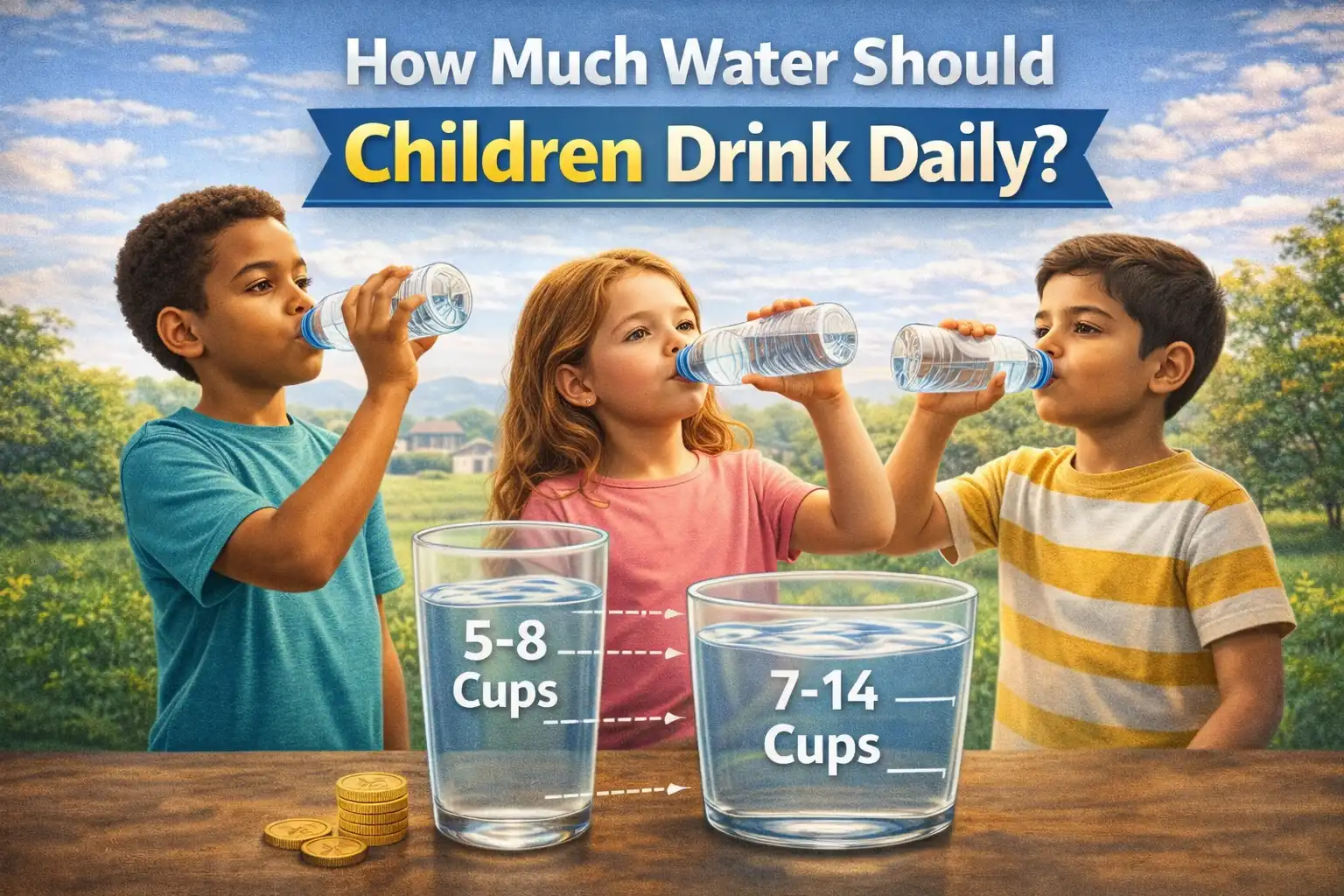
Proper hydration is essential for everyone, but it is especially important for children. Water plays a vital role in supporting growth, maintaining energy levels, aiding digestion, regulating body temperature, and promoting cognitive function. However, the question many parents and caregivers ask is: How much water should children drink daily?
Why Hydration is Important for Children
Children are more susceptible to dehydration than adults because they have a higher body water content and faster metabolism. Dehydration can affect physical performance, concentration, mood, and overall health. Ensuring that children drink enough water every day is crucial for:
-
Supporting growth and development
-
Preventing fatigue and irritability
-
Maintaining healthy kidney function
-
Regulating body temperature, especially during play or sports
-
Supporting digestion and nutrient absorption
Daily Water Intake Recommendations by Age
Daily water needs vary based on age, activity level, and climate. The general guidelines for children are:
| Age Group | Recommended Water Intake (Including all fluids and food) |
|---|---|
| 1–3 years | 1.3 liters (≈5–6 cups) |
| 4–8 years | 1.7 liters (≈7 cups) |
| 9–13 years | Boys: 2.4 liters (≈10 cups) Girls: 2.1 liters (≈9 cups) |
| 14–18 years | Boys: 3.3 liters (≈13 cups) Girls: 2.3 liters (≈10 cups) |
Note: About 20–30% of daily water intake comes from foods such as fruits, vegetables, soups, and dairy.
Factors Affecting Water Needs in Children
Several factors influence how much water a child requires:
-
Activity Level
Children who are physically active or play sports need additional water to replace fluids lost through sweat. -
Climate and Temperature
Hot and humid weather increases water loss, requiring higher fluid intake. -
Health Conditions
Fever, diarrhea, vomiting, or certain medical conditions increase the need for water. -
Diet
Children who consume more water-rich foods (fruits, vegetables, milk) may require slightly less plain water.
Tips to Encourage Children to Drink More Water
Helping children stay hydrated can be challenging, but the following strategies can make it easier:
-
Make water accessible: Keep a water bottle handy at home, school, or during activities.
-
Offer water regularly: Encourage sipping water throughout the day instead of waiting for thirst.
-
Flavor naturally: Add slices of fruit like lemon, cucumber, or berries to make water more appealing.
-
Lead by example: Children are more likely to drink water when they see adults doing the same.
-
Incorporate water-rich foods: Fruits like watermelon, oranges, and cucumbers help increase hydration naturally.
Safe Limits and Overhydration
While hydration is essential, it is also possible to drink too much water. Excessive intake can lead to a rare but serious condition called water intoxication, which can disturb electrolyte balance. It is unlikely in healthy children drinking regular amounts of water throughout the day, but extremely high intake in a short time should be avoided.
Ensuring children drink enough water daily is critical for their physical health, mental function, and overall well-being. By understanding age-specific requirements, monitoring activity levels and climate conditions, and encouraging good hydration habits, parents can help children stay healthy, energetic, and focused. Remember, water is the foundation of good health—making it a priority in your child’s daily routine is essential.